Key Takeaways
- Monitor blood glucose regularly and keep a log to share with your healthcare team
- Register with the NDSS for subsidised test strips, needles, and continuous glucose monitors
- Ask your GP for a GP Management Plan — it gives you 5 subsidised allied health visits per year
- Your diabetes team should include a GP, diabetes educator, dietitian, podiatrist, and optometrist
- Seek urgent help if blood glucose drops below 4 mmol/L or rises above 15 mmol/L with nausea
Diabetes affects over 1.3 million Australians, with thousands more diagnosed every year. Whether you've been recently diagnosed or have been managing diabetes for years, the daily reality of monitoring blood glucose, managing medications, eating well, and preventing complications can feel overwhelming — especially when navigating the healthcare system at the same time.
This guide provides practical, evidence-informed advice for managing diabetes at home, understanding your healthcare team, accessing subsidised support, and knowing when to seek urgent help.
Understanding Your Diabetes
Diabetes is a chronic condition where your body cannot properly regulate blood glucose (sugar) levels. The main types are:
| Type | What Happens | Who It Affects |
|---|---|---|
| Type 1 | The immune system destroys insulin-producing cells | Usually diagnosed in childhood/young adulthood |
| Type 2 | The body becomes resistant to insulin or doesn't produce enough | Most common; usually adults over 40, but increasingly younger |
| Gestational | Develops during pregnancy; usually resolves after birth | Pregnant women (increases future Type 2 risk) |
Daily Management at Home
Blood Glucose Monitoring
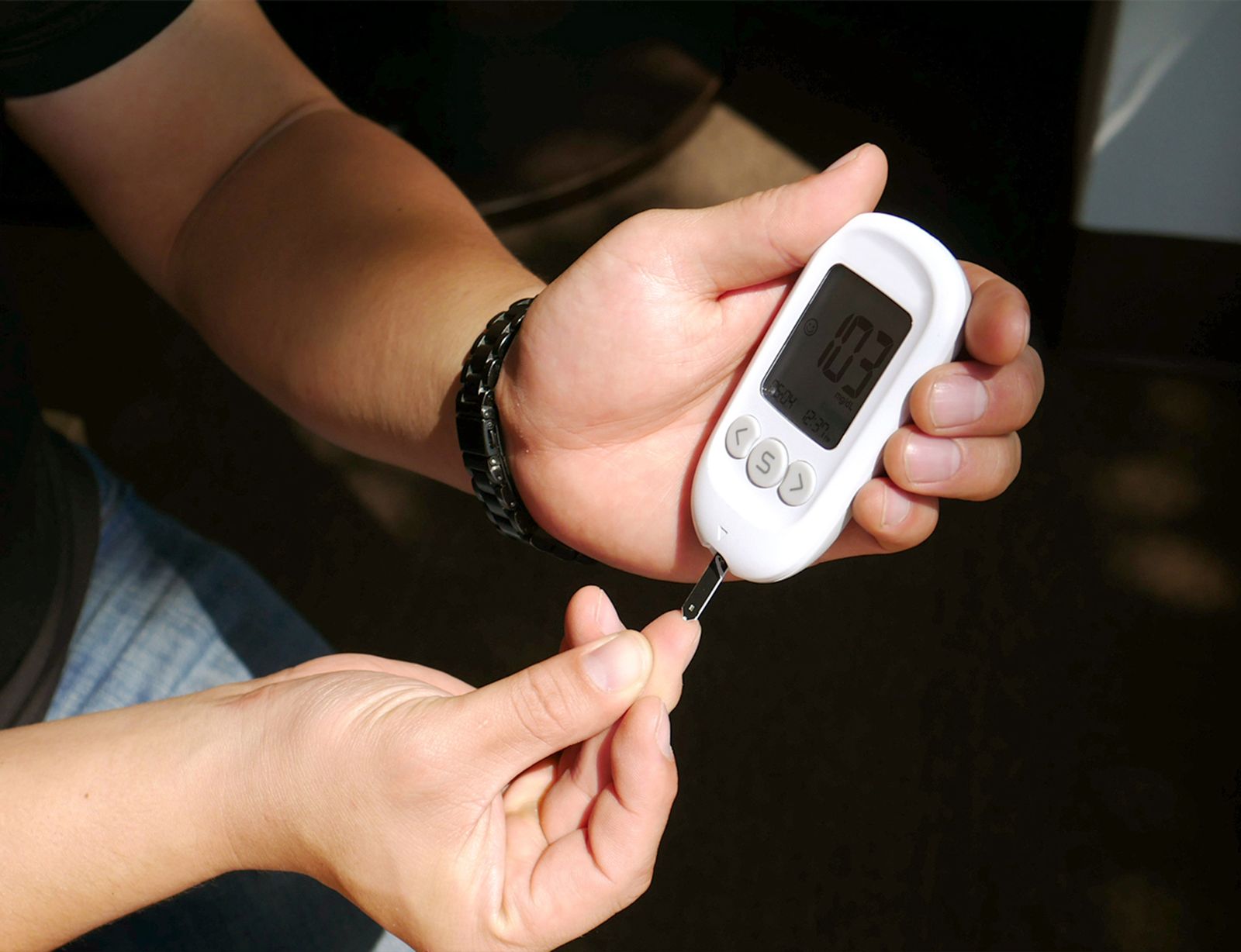
Regular monitoring helps you understand how food, activity, stress, and medications affect your levels:
- Target range: Generally 4–8 mmol/L fasting; 4–10 mmol/L after meals (your GP may set individual targets)
- When to test: Before meals, 2 hours after meals, before bed, and any time you feel unwell
- Record your results: Keep a log (paper or app) to share with your healthcare team at appointments
- NDSS subsidies: Test strips and lancets are subsidised through the National Diabetes Services Scheme
Medications
Diabetes medications may include tablets (metformin, sulfonylureas), injectable medications (GLP-1 agonists), or insulin. Key points:
- Take medications at the same time each day as prescribed
- Never stop or change doses without consulting your GP or endocrinologist
- Store insulin correctly (fridge when unopened; room temperature once in use)
- Ask your pharmacist about a Home Medicines Review if you're on multiple medications
Nutrition
There's no single "diabetes diet" — but consistent, balanced eating makes a significant difference:
- Eat regular meals at consistent times to stabilise blood glucose
- Choose low-GI carbohydrates (wholegrain bread, oats, legumes, sweet potato)
- Include protein and healthy fats with each meal to slow glucose absorption
- Ask your GP for a referral to an Accredited Practising Dietitian (5 subsidised visits per year under a GP Management Plan)
Your Diabetes Healthcare Team
Managing diabetes well requires a team approach. Your team may include:
GP
Your primary coordinator. Manages medications, orders tests, writes referrals, and creates your GP Management Plan.
Endocrinologist
Specialist for complex diabetes management, insulin adjustment, and complications.
Diabetes Educator
Teaches self-management skills: monitoring, injection technique, sick-day management, and lifestyle strategies.
Dietitian
Provides personalised nutrition advice, meal planning, and carbohydrate counting education.
Podiatrist
Essential for foot care — diabetes increases risk of foot ulcers and infections. Annual foot checks are recommended.
Optometrist
Annual eye checks for diabetic retinopathy — a leading cause of preventable blindness.
Subsidised Support Available
Australians with diabetes can access significant subsidised support:
- NDSS (National Diabetes Services Scheme): Subsidised test strips, needles, syringes, insulin pump consumables, and continuous glucose monitors. Register through your GP or diabetes educator.
- GP Management Plan: Gives you 5 subsidised allied health visits per year (dietitian, podiatrist, exercise physiologist, diabetes educator).
- PBS (Pharmaceutical Benefits Scheme): Subsidised diabetes medications including insulin, metformin, and newer agents.
- Diabetes Australia programs: Free education programs, support groups, and resources through your state/territory diabetes organisation.
When to Seek Urgent Help
Call 000 or go to Emergency if you experience:
- Blood glucose below 4 mmol/L that doesn't respond to treatment (severe hypoglycaemia)
- Confusion, drowsiness, or loss of consciousness
- Blood glucose above 15 mmol/L with nausea, vomiting, or fruity-smelling breath (possible diabetic ketoacidosis)
- Chest pain, sudden weakness, or difficulty speaking
How CHNSS Supports People with Diabetes
CHNSS provides independent nursing support for people managing diabetes:
- Care coordination — We help you navigate between your GP, endocrinologist, diabetes educator, and allied health team
- NDSS registration support — We help you register and access subsidised supplies
- Medication review coordination — We arrange Home Medicines Reviews and ensure your medications are optimised
- Hospital discharge support — If you're hospitalised, we ensure your diabetes management plan is updated and communicated to all providers
Trusted Australian Resources
CHNSS is independent of these organisations. We link to them as trusted Australian resources to support your healthcare journey.
Frequently Asked Questions
The National Diabetes Services Scheme provides subsidised diabetes products (test strips, needles, insulin pump consumables, CGMs) and free education programs. Register through your GP or diabetes educator.
This depends on your type of diabetes and treatment. Your GP or diabetes educator will recommend a testing schedule. Generally: before meals, 2 hours after meals, and before bed.
Yes. CHNSS provides care coordination between your GP, endocrinologist, and allied health team, helps you access subsidised support, and ensures your diabetes management plan is comprehensive.
Healthcare Disclaimer: This article provides general information only and does not constitute medical advice. Always consult your healthcare provider for advice specific to your situation. CHNSS provides independent nursing consultation and healthcare navigation — not medical diagnosis or treatment.